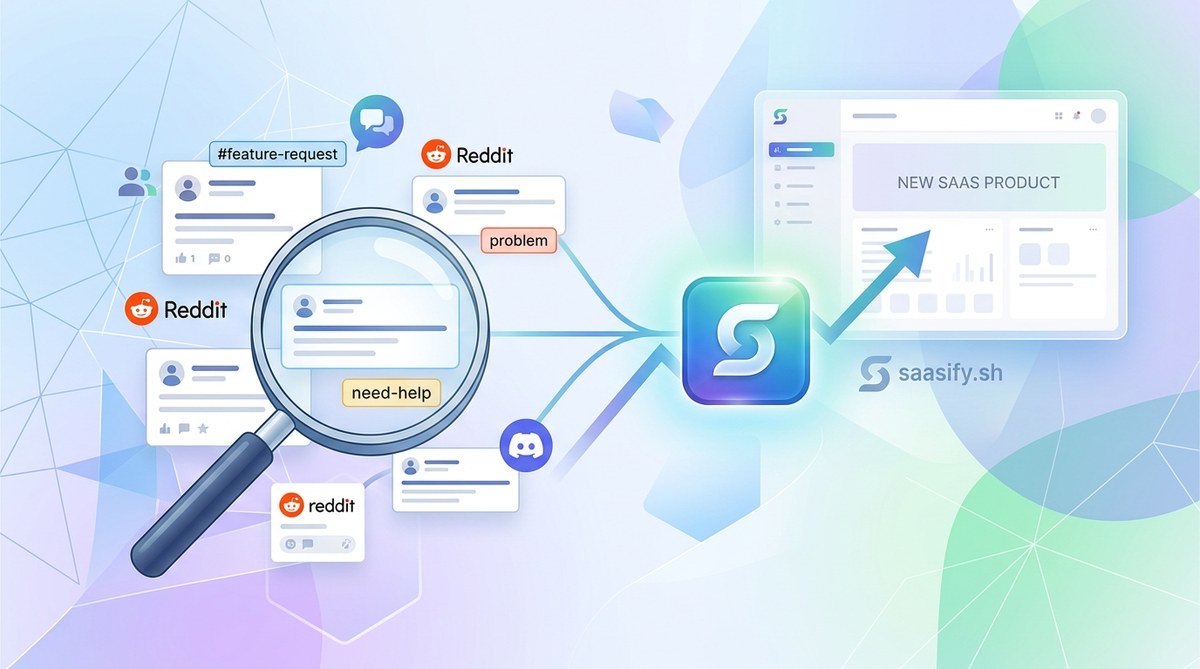
Finding a successful SaaS product starts with spotting a real need that others overlook. In 2026, the most innovative SaaS entrepreneurs are those who can identify underserved niches within online communities. Rather than guessing, they analyze conversations, pain points, and trends that reveal hidden opportunities. This way, they develop products that truly solve problems and stand out in crowded markets. Let’s break down how to find SaaS market gaps by analyzing niche online communities and turn those insights into successful products.
Identifying SaaS market gaps involves observing niche online communities, understanding unmet needs, and validating those insights with minimal investment. Use targeted research, analyze conversations, and test ideas early to build SaaS products that fill real gaps and grow sustainably.
Understanding the Power of Online Communities for SaaS Discovery
Online communities are goldmines for discovering what real users are struggling with. They bring together passionate niche audiences, often sharing honest feedback and frustrations that companies might ignore. These spaces include Reddit forums, niche Facebook groups, specialized Slack communities, and industry-specific forums.
Analyzing these platforms gives you a window into emerging needs, overlooked problems, and gaps in existing solutions. For example, a Reddit thread about small business invoicing might reveal pain points that existing SaaS tools have not addressed well. By tuning into these conversations, you can spot opportunities others haven’t yet capitalized on.
How to Find SaaS Market Gaps Through Community Analysis
Follow these three key steps to turn community insights into SaaS ideas:
1. Identify Relevant Niche Communities
Start by researching where your target audience congregates online. Look for active discussions on platforms like Reddit, niche Facebook groups, or Slack channels dedicated to specific industries or hobbies. Use keywords related to your potential SaaS idea. For example, if you’re interested in project management for remote teams, join relevant Slack communities or Reddit subreddits like r/remoteWork or r/virtualteams.
2. Observe and Categorize Pain Points and Needs
Spend time listening. Pay attention to what users complain about, what features they wish for, and what existing solutions lack. Take notes on recurring themes. Use tools like a simple spreadsheet or note app to categorize common frustrations, feature requests, or gaps. For example:
- Users might complain that current invoicing tools lack integrations with popular accounting software.
- Remote teams may struggle with real-time collaboration in existing project management apps.
3. Validate and Prioritize Opportunities
Once you’ve spotted promising gaps, validate them with quick experiments. This could mean running surveys within communities, creating landing pages, or even building basic prototypes. Ask community members if they’d use a product that solves that problem. Prioritize the most common or painful needs that have clear demand and manageable complexity.
Practical Techniques for Spotting SaaS Gaps
Below are some effective methods to analyze online communities effectively:
| Technique | How it works | Common mistakes | Tips for success |
|---|---|---|---|
| Sentiment analysis | Read through discussions for emotional cues around pain points | Ignoring context — not every negative comment signals a market gap | Focus on recurring frustrations, not isolated complaints |
| Trend spotting | Track trending topics, hashtags, or new discussion threads | Jumping into trending topics too late | Use tools like Reddit search filters or social listening tools to stay ahead |
| Direct engagement | Participate in conversations, ask questions, or run polls | Being too salesy or dismissive | Approach with curiosity, not pitching, to gather honest insights |
| Review analysis | Study reviews of existing SaaS products | Overlooking subtle dissatisfaction in reviews | Look beyond star ratings; read comments for specific pain points |
“The best SaaS ideas come from listening closely to what your community truly needs. Observing honest conversations can reveal gaps no one else is paying attention to,” advises SaaS veteran Emily Chen.
Avoid These Common Mistakes
| Mistake | Impact | How to avoid it |
|---|---|---|
| Jumping to product building too early | Wastes time on ideas no one needs | Validate with small experiments first |
| Ignoring community dynamics | Misreading signals or offending members | Engage genuinely, avoid spammy tactics |
| Focusing only on popular forums | Missing niche conversations | Deep dive into specialized groups or subreddits |
| Relying solely on quantitative data | Missing emotional context | Combine data with qualitative insights from discussions |
Validating Your SaaS Market Gap
After identifying potential gaps, validation is crucial. Use simple methods to test demand:
- Launch a landing page describing your solution and measure interest through signups.
- Run targeted ads to gauge interest or collect pre-orders.
- Conduct short surveys within the community to confirm pain points.
Validation ensures that you’re not building a product based on assumptions but on real, current demand. This approach minimizes risk and clarifies your product’s value proposition early.
Building Your SaaS Around Niche Insights
Once validated, craft your SaaS product to directly address the identified need. Focus on creating a minimum viable product that solves the core problem. Consider starting with a niche feature set to serve the specific audience well. As your product gains traction, you can expand features based on ongoing feedback.
Remember, the goal isn’t to build a perfect product from the start. Instead, aim for a product that genuinely helps your niche community and evolves with their needs over time.
Examples of SaaS Gaps Uncovered Through Community Analysis
- A niche community of freelance designers highlighted a need for better client communication tools integrated into existing design platforms.
- Discussions among small online retailers revealed that current inventory management solutions are too complex or not tailored for small scale.
Identifying these gaps led entrepreneurs to develop SaaS solutions tailored specifically to those audiences, often capturing significant market share without competing directly with big players.
Regularly Revisit Your Community Sources
Market gaps are not static. Trends shift, new problems emerge, and communities evolve. Make analyzing online communities a regular part of your SaaS discovery process. Set aside time weekly or monthly to scan discussions, participate, and identify fresh opportunities.
Final Words for SaaS Innovators
Finding SaaS market gaps through online community analysis is a proven method for uncovering real needs. It’s about listening carefully and validating insights before building. By focusing your efforts on genuine pain points, you create solutions that resonate and grow organically.
Take the time to understand your niche communities deeply. Use the techniques discussed to spot underserved needs and validate your ideas early. With patience and curiosity, you will uncover opportunities that others overlook, leading to SaaS products with lasting impact.
Turning community insights into SaaS success
Applying these methods can transform a simple online conversation into a thriving SaaS business. Keep listening, validating, and iterating. The next big idea often starts with a single comment or frustration from a niche community. Stay curious and proactive — your SaaS breakthrough might be just a conversation away.